


14.48৳ 500g

7.68৳ each

8.45৳ each

The great thing is that I don’t need to write each workout from scratch. Instead, I’ve created routines (reusable templates), and I only need to update some of the numbers for each workout, which makes for a seamless and efficient logging experience. Doing so forces your body to continue adapting to handle the same stress in the future.
If you gain more than 5-10% per week, you are likely adding too much too fast. Structured tracking identifies stalls within 3 weeks instead of months of guessing. Lifters using structured logbooks can calculate exact volume progression vs. relying on memory. is mad muscles legit Download Overload Fitness today and turn your workout data into unstoppable momentum.
In this article, we’ll explore five of the best Google Sheets workout templates that can help manage your clients’ fitness journeys. Once endurance improves, replace one or two of your interval runs with longer, steady-state cardio. For a full cardio-fatigue recovery guide, explore this JEFIT article on optimizing cardio programming. Download STRONGR free and take your training to the next level. They train hard but don’t record what they did, so they have no idea whether they’re actually progressing. Don’t worry, I’ll take you through an example to show you exactly how linear progression works in our program.
Every successful strength training programme is built on this principle, whether it’s called progressive overload or not. Each week, the intensity and volume of your workouts will increase slightly, pushing your body to adapt and grow stronger. Remember to prioritize proper form and technique to minimize the risk of injury. The road to strength is continuous, and with every workout, you’re investing in a stronger tomorrow. So, which app will you choose to be your training partner today?
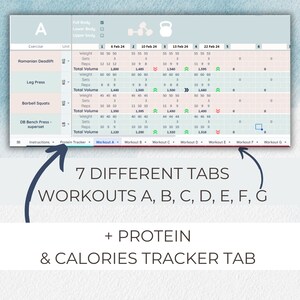
Progressive overload ensures that the body continues to adapt, avoiding plateaus, which can stall your fitness progress. By continuously increasing the demands on your muscles, you prompt your body to grow stronger, leading to more effective workouts and significant fitness improvements over time. Effective tracking requires more than scribbling numbers on a napkin. Successful lifters use structured systems that capture essential data while remaining practical for gym use, often with the help of tools like our Progressive Overload Planner. Your tracking system should record exercise name, sets, reps, weight used, and subjective difficulty ratings.
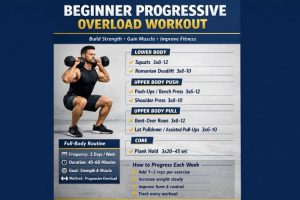
It’s important to keep in mind that fitness isn’t just a one-time goal, but a continuous journey that lasts a lifetime—an ongoing effort to become the best version of yourself. By sticking with this routine, you’re building the groundwork for a future you that’s healthier, stronger, and more resilient. During phase 3, there comes a point where you may find it challenging to complete the 24 reps. when this happens, you’ll need to reset the program. Take a five-day break, test your new 10-repetition maximum (10RM), calculate 85% of that, and restart the cycle from the beginning.
Regularly review your app’s progress charts and feedback. Changes may be subtle, but over time, these incremental adjustments culminate in significant strength gains. Use these insights to celebrate milestones and recalibrate your strategies, ensuring continuous growth. Strava is more than a fitness tracking app; it’s a community of athletes. While initially popular among cyclists and runners, this app has expanded to include diverse workout activities.
For those who train intensely or frequently, techniques like cold therapy, contrast showers, and sports massages can provide additional relief from muscle soreness and inflammation. Learn practical methods to calculate and track progressive overload for steady muscle growth with tools, workouts, and recovery tips. Before we can understand what progressive overload is and ways we can track it, it’s important to remind ourselves what the overload principle is. The overload principle is, when we impose a stress to the body so that it creates a physiological adaptation.
Join PRPath and get AI-powered progressive overload tracking with Atlas coaching included. But honestly, any of these five apps will serve you well. The most important thing is picking one and using it consistently.
But so do your triceps, shoulders, and all those “small” muscles. If you’re only tracking squat/bench/dead, you’re missing half the picture. Then you wonder why you feel like garbage and haven’t hit a PR in months. You adjust weight based on how hard the set felt. RPE 8 was supposed to feel like you had 2 reps left. You shrug, load 185, and grind out 7 reps. Victory?
Everything the coach uses to advise you — available to poke at yourself. Daily insights that actually know your training history. Spot plateaus, rebalance splits, and get the next workout cued up before you even open the app. Your ultimate guide to achieving a balanced and healthy lifestyle. At CoreWellFit, we provide expert tips, actionable advice, and in-depth resources on fitness, wellness, and nutrition. Join us in building a healthier and happier you, one step at a time.
By structuring your workouts in weekly progressions, you ensure consistent challenge while avoiding burnout or plateau. The key is understanding which training variables you can tweak based on your goals and recovery capacity. World class personal trainer software for you to build and assign workout programs for your clients, and track their progress. Log your workouts and track your progress on Hevy app while being part of an amazing community of 13+ million gym athletes. Create and log your workouts with Hevy and track your progress. Also, as discussed above, it’s not just about logging workouts.
You’re just using your existing strength more effectively. Training a muscle group more often per week (e.g., going from once to twice per week) increases total weekly volume and can drive faster progress. Following the progressive overload plan explained in this article goes beyond just changing your body. It has important benefits for you in many aspects of your life. It’s a meaningful journey toward improving yourself and growing personally.
No account yet?
Create an Account


